After the shootings at Pulse, a gay nightclub in Orlando, by Omar Mateen, a U.S. resident of Afghan descent, we can’t help but revisit a past interview with Afghani gay activist, Nemat Sadat. His intelligence and honesty on what it means to be gay in Afghanistan is extremely insightful.
All eyes are on the upcoming run off of the Afghanistan presidential election between Abdullah Abdullah and Ashraf Ghani in mid June. But millions of Afghans are talking about a new emerging leader not on the ballot, Nemat Sadat, who happens to be gay. Continue reading “Despite Death Threats A Gay Leader Emerges In Afghanistan”
The screenings took place at the
New York Institute of Technology Auditorium
1871 Broadway @ 63rd St.
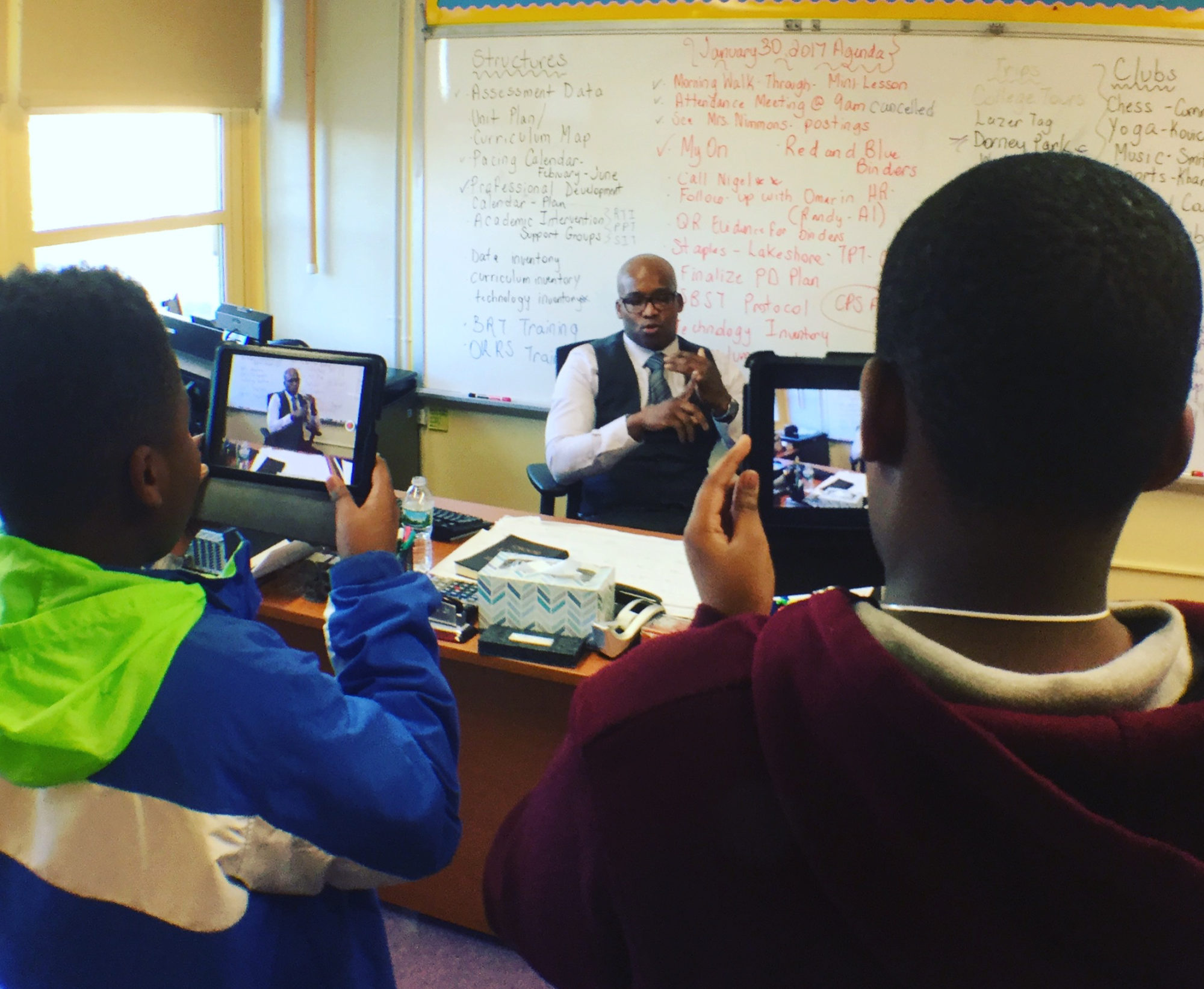
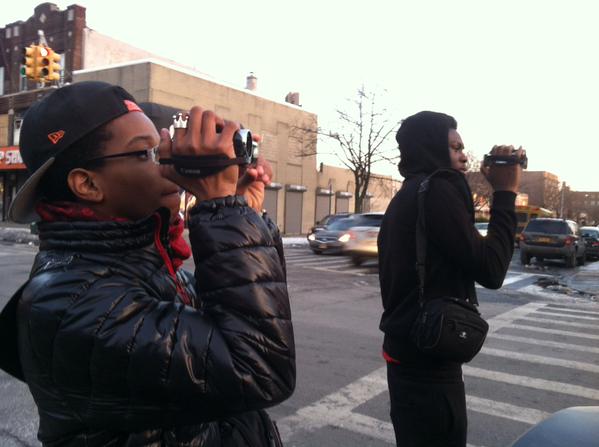
The filmmakers tackled tough issues they are grappling in their young lives like identity, beauty, race, police, violence, poverty and grief. They felt a great sense of accomplishment and a stronger connection to the community by sharing very personal things they thought only they grapple with.
When asked what was the key thing he learned from the filmmaking process, Ray Graham said, “Patience. I wanted to quit the lab two times because I didn’t think the film was coming together.”
Judging from the audience’s supportive response, Graham’s patience and the gamble to open up paid off, they learned they are not alone with their feelings and perceptions about living in Brownsville Brooklyn in these volatile times.
En route to Tehran from Isfahan, we drove a couple of hours to the holy city of Qom. The day of our visit happened to be the Day of Ashura, the remembrance of Imam Hussain Ali, the grandson of the Prophet Muhammad.
Iran. What it conjures in the American mind. When well meaning friends and family learned I was “vacationing” in Iran, they assumed I would be jailed or beheaded by ISIS or kidnapped by the Islamic Revolutionary Guards Corps. These western impressions could not be further from the reality. Continue reading “Dispatches From a U.S. Tourist: Iran’s Greatest Asset? Its People”
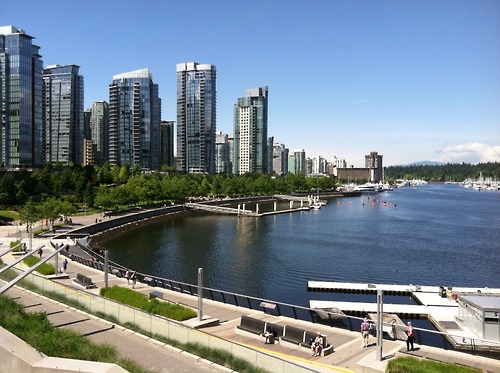
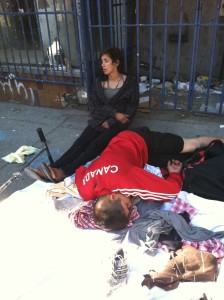
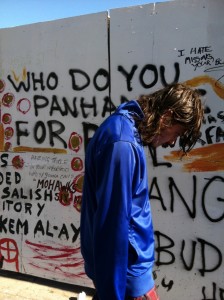
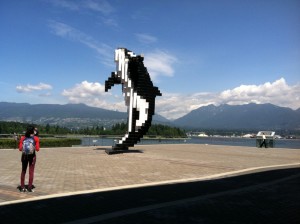
#Vancouver: The breathtaking beauty and the heartbreaking addicted.
I was attending #SLA2014, a great conference for curious people who want to help others achieve their goals through innovation and gathering the most current information.
I have traveled the world and never seen a more beautiful city. The conference was terrific. Included in these photos is a picture of a former police officer, Julie Clegg, who now works with Toddington International on helping clients find people who don’t want to be found on the Internet with an array of cyber tools and geo tracking.
Julie Clegg, Toddington International
It was by far the most talked about session of the conference.
A few blocks from the pristine conference center is East Hastings Street, one of the most infamous and largest drug hubs in North America if not the world.
Some of the people spoke with me. Others chased me away or were too sick to speak.
Why take pictures of the sick?
Because the addicted and mentally ill are invisible, and they need to be included in the everyday conversation. They are us, our families, friends, neighbors, colleagues and community.
Kris, 42, a prostitute, who says she was just visiting Hastings for the afternoon.
Kris
Shannon, 30, and Ms. Diva, who says she is old enough. Ms. Diva is in a wheelchair after being run over by a car and dragged for three blocks, crushing her leg and breaking other bones. Shannon has been dealing drugs since she was 14-years-old. She has a seven-year-old daughter, and hopes to go back to school and get a job in early childhood education. She was one of the brightest people I spoke with and could make the transition if she was willing to work hard to get off the streets. There are social services like the Vancouver Women’s Health Collective that could help her, but it would require a lot of work.